A Tech Insider’s Guide to Managing IT for Asset Management Firms in Nigeria
Introduction
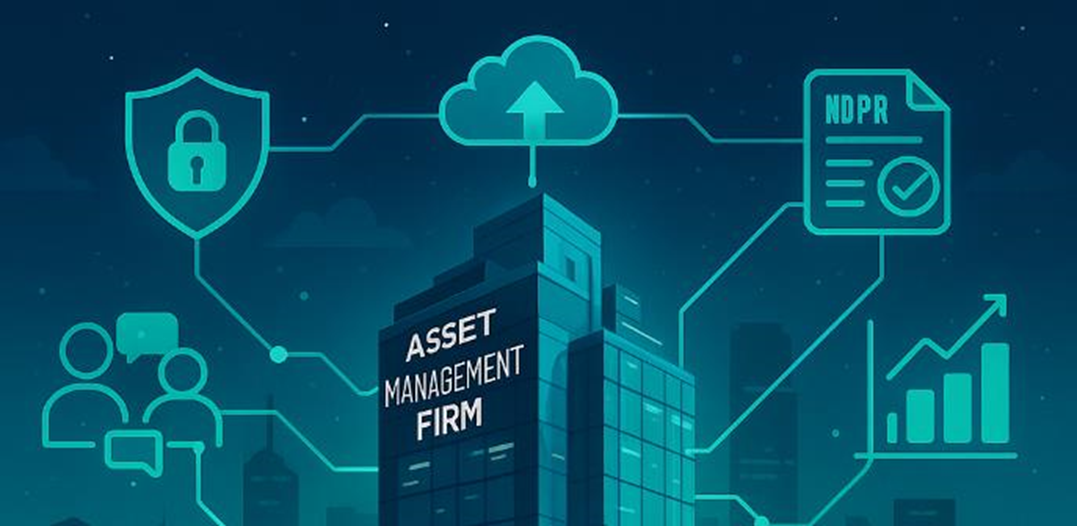
In Nigeria’s fast-evolving financial sector, asset management firms are increasingly reliant on technology to ensure data integrity, client trust, and regulatory compliance. At Utica Capital Limited, managing a growing IT infrastructure has shown us how a robust technology strategy can transform operations, reduce risk, and support long-term growth.
This blog post explores the core pillars of IT management in asset management firms, the unique challenges in the Nigerian context, and practical tips for maintaining a secure, scalable, and resilient tech environment.
1. The Core IT Needs of Asset Management Firms
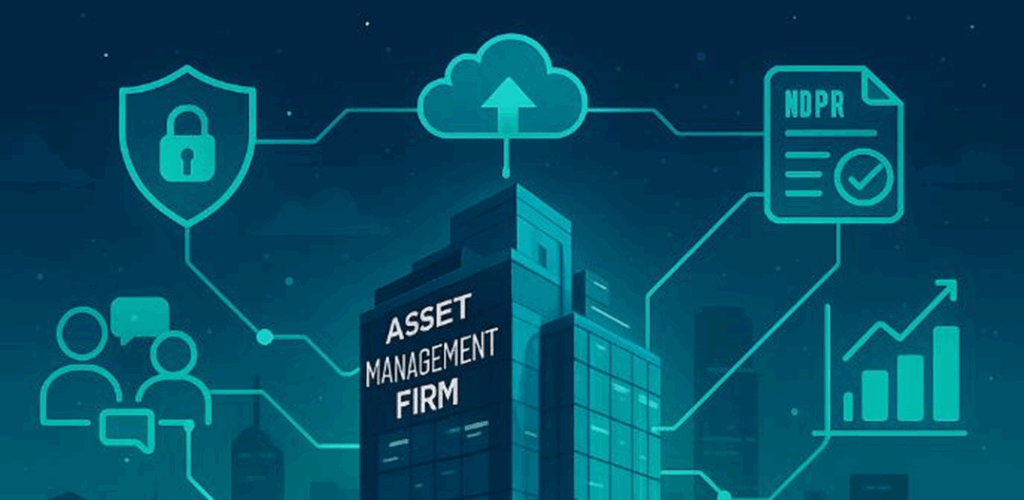
Asset management firms don’t just need computers and internet, they require a tech ecosystem that ensures:
– Client Data Security & Confidentiality
– 24/7 System Availability
– Efficient Communication & Collaboration
– Real-time Data Backup and Disaster Recovery
– Regulatory Compliance (SEC, CBN, NDPR)
– Cloud Scalability
Meeting these needs requires a proactive and layered approach to IT management.
2. Building a Secure & Scalable Infrastructure
At Utica Capital, our IT infrastructure is built on a hybrid model: cloud-based services (Microsoft Azure and OneDrive) are integrated with local physical backups and secure office networks.
a. Microsoft Azure for Virtualization
We deploy virtual machines on Azure to host applications and services, enabling secure remote access for staff, scalability for growing operations, and flexibility for DevOps.
b. Database Management & Backup (MS-SQL)
Automated daily backups of financial databases and synchronize them to cloud storage. These should be copied to an external hard drive and kept in a fireproof safe, critical on-premise fail-safe.
c. Office 365 & Exchange Online
For secure email, scheduling, and collaboration, Office 365 remains essential for secure communication and productivity. Exchange Online is used for centralized email administration, ensuring that all communications are protected with multi-factor authentication (MFA) and transport rules.

3. Network Administration and Internet Reliability
In a financial firm, downtime is costly as it can result in lost productivity, missed trades, and reduced client confidence.”
– We’ve set up LAN and intercom systems to ensure seamless internal communication.
– Our ISP services are backed with routers and mobile failovers, reducing the risk of disconnection.
– Regular audits of bandwidth usage and firewall configurations help us prevent both overuse and external threats.
4. Cybersecurity: Protecting Client Trust
In a world where cyberattacks are increasingly sophisticated, especially in finance, cybersecurity is not optional.
Our approach includes:
– Firewall and endpoint protection
– Password policies and periodic forced resets
– Role-based access control (RBAC)
– Anydesk with client approval protocols for remote support
– Phishing awareness campaigns and staff training
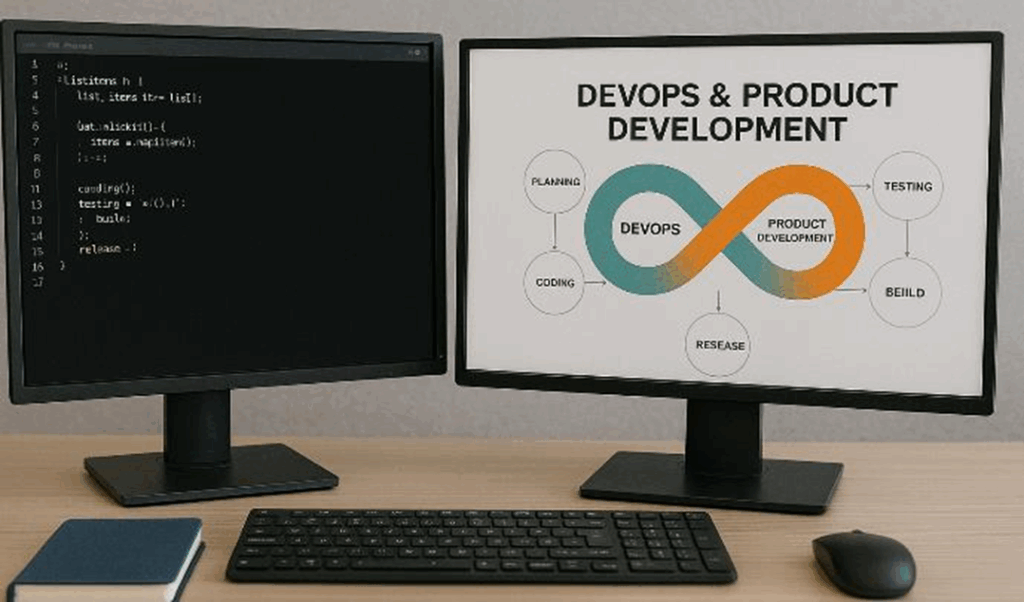
5. DevOps & Product Development
Beyond support and maintenance, IT in asset management also enables product innovation.
Using tools like:
– HTML5, CSS3, Bootstrap
– React.js
– Figma and Adobe XD
We ensure that both functionality and design align with our professional standards.
DevOps tools also help us maintain CI/CD pipelines and automate testing, shortening the time from concept to deployment.
6. Compliance and Documentation
Every change in our IT environment is documented. This includes:
– Change logs for system updates
– Data protection policies in line with NDPR
– Asset tracking sheets
– Backup logs and testing reports
This helps with both internal control and regulatory audits, two things Nigerian firms must always be ready for.

7. Common Challenges in Nigeria
Despite all efforts, we face real hurdles:
– Unstable Power Supply: We rely on inverters and backup generators to keep our servers and network gear online.
– High Cost of Internet and Software Licensing
– Skilled Talent Shortage
– Inconsistent ISP reliability
The key is to design systems with redundancy and resilience in mind. For example, having both cloud and on-premise backups, and using low-voltage UPS systems to protect critical devices.
8. Final Thoughts: IT as a Business Enabler
In Nigeria’s financial space, IT isn’t just a support function, it is a strategic driver of client satisfaction and business continuity.
By blending local ingenuity with global tools, asset management firms like ours can not only survive but thrive even in unpredictable environments.

Conclusion
For young professionals and IT teams working in or aspiring to join financial services, managing tech in an asset management firm is an opportunity to make a measurable business impact.
If you’re an IT professional in finance or aspiring to be one, keep learning, stay security-conscious, and never underestimate the value of documentation, consistency, and cloud-first thinking.
Want to Learn More?
Feel free to drop your thoughts in the comments. We’re happy to share insights or collaborate on tech and finance initiatives!